
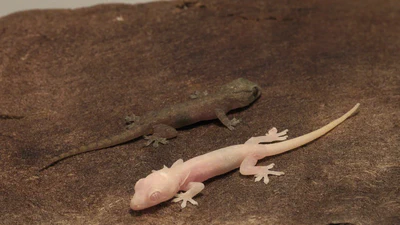
Genetic Modifications in Lizards
Being able to make changes to the genetic code of animals allows incredibly powerful and targetted studies of all sorts of traits and behaviours. With the aim of using …
My research focuses on the evolution of sociality in lizards with a particular interest in the role of kin recognition. I am developing a method to make modifications to the genome of Australian lizards using CRISPR-Cas9 in collaboration with Prof Martin Whiting and Dr Oliver Griffith at Macquarie University. This technique will open the door for a whole suit of new opportunities for research on social evolution/recognition, as well as virtually every other aspect of Australian reptile biology.
During my PhD, I focussed on kin recognition itself, its importance in the early evolution of sociality and how it was refined as social systems became increasingly complex. While I was based at the University of Tasmania in Hobart (BEER group), my field and experimental work took place at Macquarie University in Sydney (Lizardlab). I am currently working on getting this work published!
Before moving to Australia I completed my Bachelor’s and Master’s degrees at the University of Antwerp in Belgium. During this time, I studied urbanisation and island effects in lizards, and animal personalities in birds.
Being able to make changes to the genetic code of animals allows incredibly powerful and targetted studies of all sorts of traits and behaviours. With the aim of using …
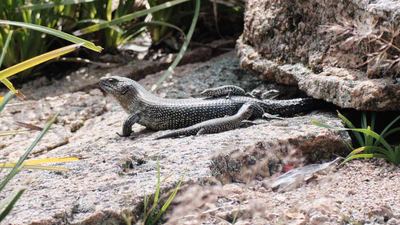
Family living is an important aspect of social behaviour in species throughout the animal kingdom. The organisation of family groups varies across species, from simple family …
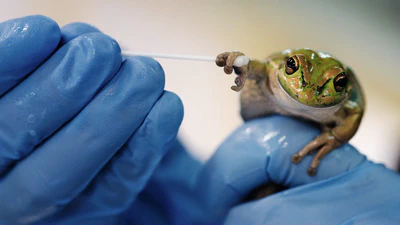
Chytridiomycosis is a deadly amphibian disease caused by chytrid fungi, predominantly Batrachochytrium dendrobatidis (Bd). Chytrid originated from the Korean peninsula, but has …
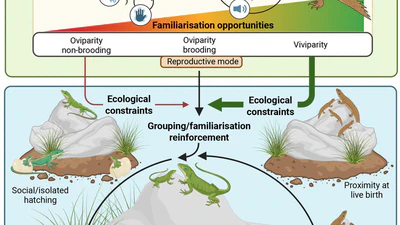
Kin recognition, the ability to identify genetic relatives, relies on familiarisation for the creation of recognition templates. During development, parent and embryo(s) are …
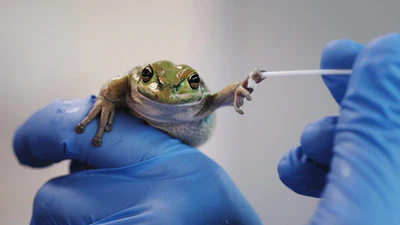
Many threats to biodiversity cannot be eliminated; for example, invasive pathogens may be ubiquitous. Chytridiomycosis is a fungal disease that has spread worldwide, driving at …