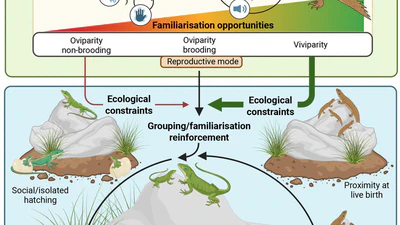
The prenatal foundations of kin recognition
Kin recognition, the ability to identify genetic relatives, relies on familiarisation for the creation of recognition templates. During development, parent and embryo(s) are …

Kin recognition, the ability to identify genetic relatives, relies on familiarisation for the creation of recognition templates. During development, parent and embryo(s) are …
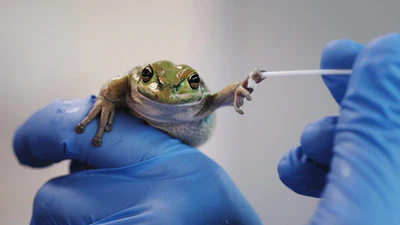
Many threats to biodiversity cannot be eliminated; for example, invasive pathogens may be ubiquitous. Chytridiomycosis is a fungal disease that has spread worldwide, driving at …

The Queensland Shark Control Program (QSCP) started in 1962 to reduce the number of shark-human incidents by deploying nets and drumlines across the most popular beaches. The …

Amphibian biodiversity is experiencing ongoing declines due in part to the infectious disease, chytridiomycosis. Efforts to mitigate the effects of the causal agent of …

Predation is the primary source of reproductive failure in many avian taxa and nest defence behaviour against predators is hence an important aspect of parental investment. Nest …
Foraging decisions should reflect a balance between costs and benefits of alternative strategies. Predation risk and resource availability in the environment may be crucial in …